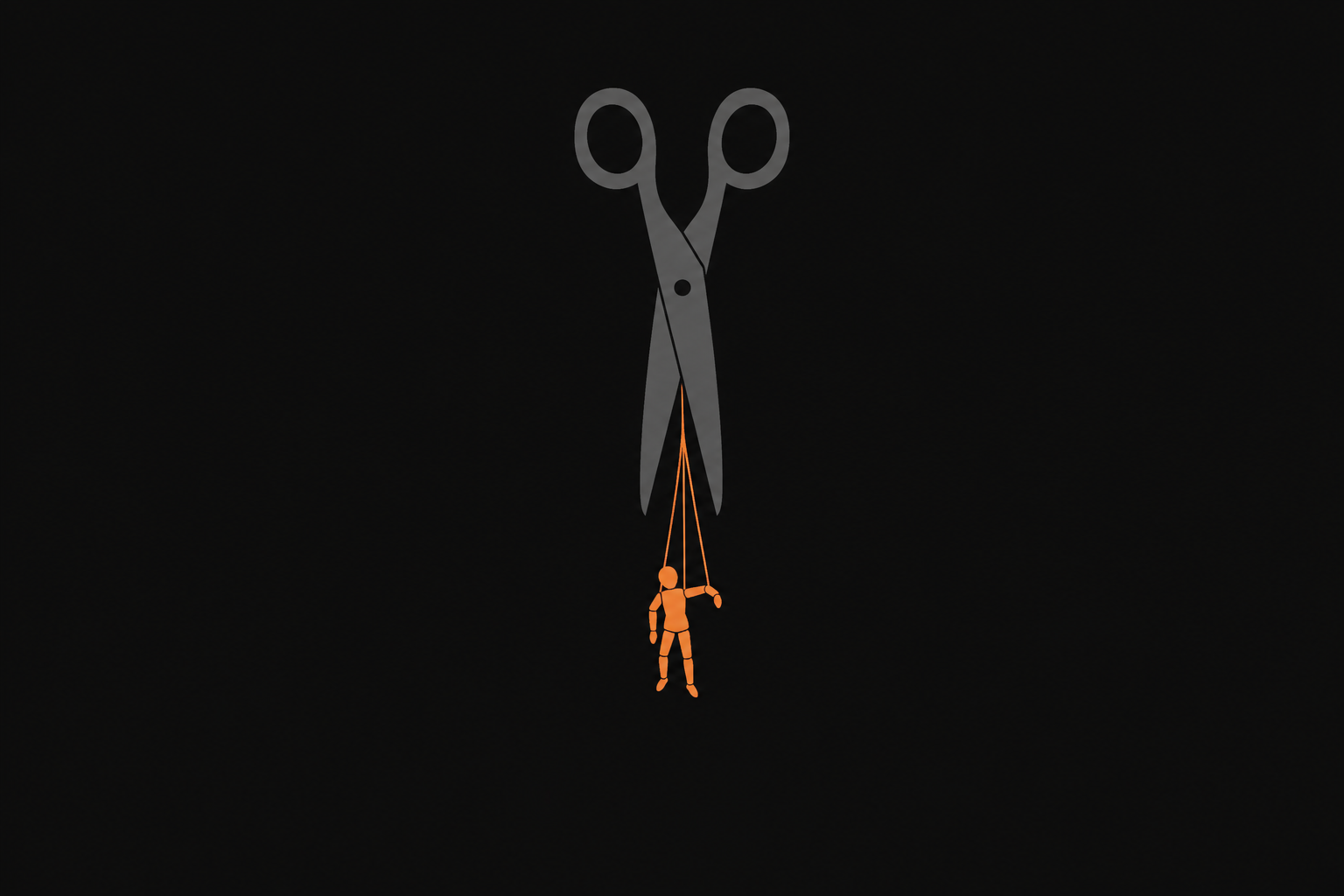
Last month, a product manager at a mid-sized SaaS company received forty-seven emails from her own team in a single day. Each contained detailed project updates, risk assessments, and strategic recommendations. She read none of them. Neither did anyone else. All forty-seven were generated by Claude and ChatGPT, prompted by employees who had learned that sending frequent updates made them appear productive. The manager knew this, her team knew this, and yet the emails kept coming—a perfect closed loop of artificial effort feeding artificial oversight.
This isn't an edge case. Across organizations, AI tools have unleashed a torrent of content that mimics human communication while serving no human purpose. The promise was efficiency. The reality is drowning.
The Productivity Theater
McKinsey's internal analysis found that teams using AI writing tools produced 300% more documentation in 2024 than the previous year, while reported reading time remained flat. We're creating far more than we consume.
This explosion represents the illusion of productivity at scale. Writing feels like work, especially when it produces polished documents full of business terminology and structured arguments. An employee who generates five project summaries using GPT-4 in an hour experiences the satisfaction of completion without the effort of thought. Their manager, faced with twenty such summaries from different team members, experiences only overwhelm.
The pattern repeats across functions. Sales teams generate AI-powered prospect research that sales managers never review. HR departments produce AI-written policy documents that employees never read. Marketing teams create AI-generated content calendars that executives approve with a glance. Each piece looks professional, sounds authoritative, and adds to the pile.
Salesforce's own experience with AI adoption tells the story. Internal data from 2024 showed that teams using Einstein GPT created 400% more customer communications than teams without AI assistance. Customer satisfaction scores remained unchanged. Response rates to these communications fell by 23%. The company was producing more and achieving less.
Someone Else's Problem
Someone has to read all this AI-generated material, and it's never the person who created it. This breaks the feedback loop that normally governs communication. When humans write for other humans, they anticipate questions, consider the reader's context, and feel responsible for clarity. When humans prompt AI to write for other humans, they abdicate that responsibility while maintaining the appearance of effort.
The burden falls on recipients who must sort signal from noise without knowing which is which. A finance director at a Fortune 500 retailer described opening her email each morning to find dozens of "urgent" reports, all formatted identically, all claiming to require immediate attention. "I started assuming everything was AI-generated," she said. "The few times something actually needed my input, I missed it completely."
This creates a vicious cycle. As recipients become overwhelmed, they respond by generating their own AI content to manage the volume. Automated responses to automated requests. AI-generated summaries of AI-generated reports. The original human intent disappears beneath layers of artificial processing.
Quality checking has disappeared because quantity fills the space. When you can produce ten documents in the time it once took to write one, the temptation is to skip the editing, skip the review, and hit send.
The economics are perverse but predictable. Human attention is finite; AI output is not. Organizations that measure productivity by volume rather than impact will choose quantity. The result is communication systems optimized for production rather than comprehension.
The Logic Gap
When a human writes, the logic is coherent because they built it with specific context in mind. They understand the background, anticipate objections, and structure arguments to serve particular purposes. This contextual awareness can't be separated from the writing process—it emerges from the writer's engagement with both the material and the audience.
AI generates from a prompt and creates its own internal logic, which may not match reality. Large language models excel at producing text that sounds reasonable in isolation but fails when measured against specific organizational realities. A GPT-generated project proposal might include perfectly structured risk assessments and mitigation strategies while completely missing the political dynamics that will determine the project's actual fate.
This disconnect becomes obvious when AI-generated content encounters real constraints. A consulting firm discovered that AI-written client presentations consistently recommended solutions the firm couldn't deliver, used case studies from competitors, and promised timelines that ignored the client's budget cycles. The presentations read well in isolation but collapsed under scrutiny.
The problem runs deeper than factual errors. AI generates content by predicting what words should come next based on patterns in training data, not by reasoning about specific situations. This produces text that follows familiar formats while lacking the strategic thinking that makes communication effective. The result feels authoritative but often leads nowhere useful.
Breaking the Cycle
The solution isn't to abandon AI tools but to treat their output as raw material rather than finished product. This requires organizations to rebuild quality control processes that have atrophied in the rush to automate.
Effective intervention starts with clear policies about AI use in communication. Some companies now require disclosure when AI tools generate more than 50% of a document's content. Others mandate human review for any AI-generated material that will influence decisions or reach external audiences. These policies work only when enforced consistently and measured regularly.
The most successful organizations treat AI as a drafting tool rather than a communication solution. They use it to overcome blank page syndrome, generate initial outlines, and explore different approaches to complex topics. But they insist that humans shape the final product, ensuring it serves the intended purpose rather than simply following predictable patterns.
This approach demands different skills from both writers and readers. Writers must learn to edit AI output with the same rigor they would apply to human-generated drafts. Readers must develop better filters for identifying content that wastes their time, regardless of its source. Both require organizations to value quality over quantity in ways that current productivity metrics often discourage.
The alternative is an information environment where volume substitutes for value, where the appearance of communication replaces its substance. We're already closer to that world than most organizations realize. The question is whether we'll choose to step back from the edge or continue our slide into the slop.